
Strengthening Protections for Children with Food Allergies Act
Transparency & Verification
Verified from Official SourcePolicy Pantry collects information from official and trusted public sources. Legislative information can change quickly. Always review the linked official government source for the most current details.
AI Plain-Language Summary
Click "Generate" to create an AI-powered plain-language summary of this legislation.
Summary
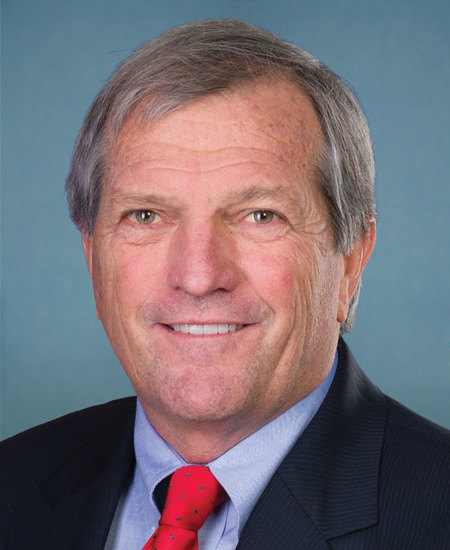
The Strengthening Protections for Children with Food Allergies Act (H.R. 10228) would amend the Child Nutrition Act of 1966 to require food allergy identification and response training for staff in federal child nutrition programs, including the Child and Adult Care Food Program (CACFP) and summer meal programs. Introduced by Rep. Mark DeSaulnier (D-CA-10) on September 2, 2026, and referred to the House Committee on Education and Workforce.
Full Description
The Strengthening Protections for Children with Food Allergies Act (H.R. 10228), introduced by Rep. Mark DeSaulnier (D-CA-10) and Rep. Doris Matsui (D-CA-7) on September 2, 2026, amends the Child Nutrition Act of 1966 to require food allergy identification and response training for personnel in federal child nutrition programs. Key provisions include enhancing training to cover preventing allergic reactions, recognizing and responding to reactions, administering epinephrine during anaphylaxis, communicating allergen information in menus and recipes, preventing cross-contact, and providing appropriate food substitutions. Training must be available in multiple languages and accessible formats. The bill expands training beyond school meals to CACFP, the Summer Food Service Program (SFSP), and the Special Milk Program, and also expands food allergy education for WIC families. It authorizes $1 million annually from FY 2027 through FY 2031 for implementation. Referred to the House Committee on Education and Workforce.
Legislative Intent
To strengthen food allergy training and preparedness for staff administering federal child nutrition programs, protecting children with food allergies in CACFP and summer meal settings.
Key Provisions
Amends the Child Nutrition Act of 1966 to require food allergy identification and response training for personnel in federal child nutrition programs, including the Child and Adult Care Food Program (CACFP) and summer meal programs. Aims to improve staff preparedness, increase access to educational resources for families, and strengthen protections for children with food allergies in federally funded meal settings.
Who This Bill Serves & Who's Backing It
Core Patient Populations
People with food allergies — including children, students, and their families.
Advocacy Groups Backing This Legislation
No advocacy organizations are currently tracked as backing this bill.Browse advocacy organizations →
Legislative Timeline
Implementation & Enforcement
Votes & Legislative History
Wisconsin School Epinephrine Law
Administration of drugs and emergency care
Allows school bus operators, employees, and volunteers to administer epinephrine to any pupil who appears to be experiencing a severe allergic reaction, provided they have received training.
An act to amend the public health law and the agriculture and markets law, in relation to food intolerances
Requires food service establishments and online ordering services to provide notices to staff and customers regarding food allergies and intolerances.
An act to amend the public health law, in relation to allergy awareness and training in restaurants
Requires food service establishments to provide allergy awareness training to staff and display information regarding major food allergens.
While we strive for accuracy, information may change over time. Always double-check and verify against official sources before relying on it.