
Related Laws Explorer
Pick any law in the platform and instantly see other relevant laws grouped by why they're related — same state, same condition, same policy area, and shared tags — so you can see the full landscape around a bill.
Educational Disclaimer: This platform is for general informational purposes only and is not medical advice. It does not replace professional medical consultation, diagnosis, or treatment. Always consult a qualified healthcare professional. If you are experiencing a medical emergency, call 911 immediately. Verify any information against official sources before relying on it.
We strive for accuracy. Laws and links change frequently, and mistakes can happen. If you spot a law, citation, or source link that doesn't look right, pleasereport or flag itso we can correct it.
14 related laws across 3 categories
Same State — United States
(6)Medical Foods and Formulas Access Act of 2025
Expands coverage under Medicare, Medicaid, CHIP, and the Federal Employees Health Benefits Program to include medically necessary food and associated equipment and supplies. Defines medically necessary food as specially formulated and processed products (e.g., nutritional formulas) prescribed by health care practitioners for individuals with special dietary requirements due to certain digestive or metabolic disorders or conditions.
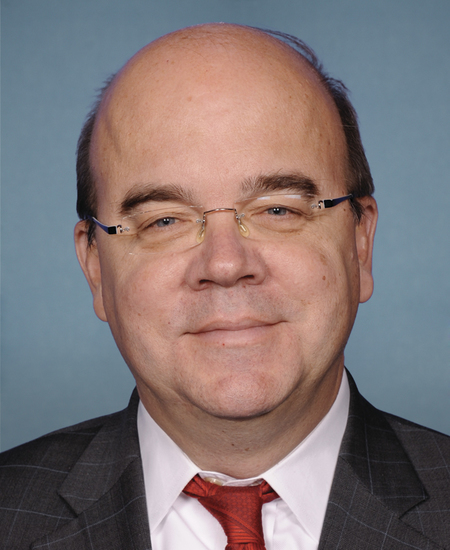
Indoor Air Quality and Healthy Schools Act
Indoor Air Quality and Healthy Schools Act of 2025
The Indoor Air Quality and Healthy Schools Act would provide the Environmental Protection Agency (EPA) with the authority and resources to better protect against poor indoor air quality (IAQ) in schools. IAQ is essential for people suffering from asthma, as poor ventilation and indoor pollutants can trigger attacks and worsen respiratory health.
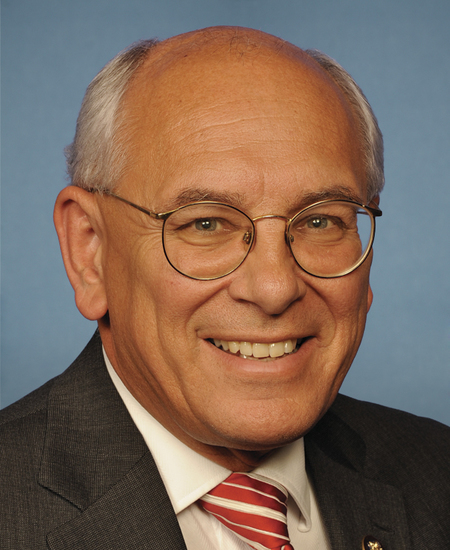
Food Allergy Training Completion Requirement
Amends the Child Nutrition Act of 1966 to require food allergy training, including information on preventing, recognizing, and responding to allergic reactions and the administration of epinephrine.
Dillon's Law
Dillon's Law (Good Samaritan Epinephrine Act)
Provides legal protection to trained Good Samaritans who administer epinephrine in emergencies, particularly in schools, to reduce preventable deaths from anaphylaxis.

Safe Step Act
Safe Step Act (Step Therapy Reform)
Requires group health plans to establish a transparent exceptions process (24-72 hours) for step therapy protocols, allowing doctors to override insurer fail-first requirements when medically necessary.

HELP Copays Act
HELP Copays Act (Copay Accumulator Reform)
Bans copay accumulator adjustment policies that prevent manufacturer copay assistance from counting toward patient deductibles and out-of-pocket maximums.

Same Condition — food_allergy
(6)Strengthening Protections for Children with Food Allergies Act
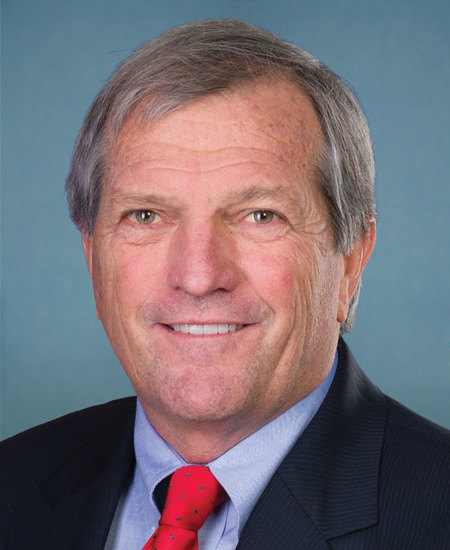
The Strengthening Protections for Children with Food Allergies Act (H.R. 10228) would amend the Child Nutrition Act of 1966 to require food allergy identification and response training for staff in federal child nutrition programs, including the Child and Adult Care Food Program (CACFP) and summer meal programs. Introduced by Rep. Mark DeSaulnier (D-CA-10) on September 2, 2026, and referred to the House Committee on Education and Workforce.
An act to amend the public health law and the agriculture and markets law, in relation to food intolerances
Requires food service establishments and online ordering services to provide notices to staff and customers regarding food allergies and intolerances.
An act to amend the public health law, in relation to allergy awareness and training in restaurants
Requires food service establishments to provide allergy awareness training to staff and display information regarding major food allergens.
Medical Foods and Formulas Access Act of 2025
Expands coverage under Medicare, Medicaid, CHIP, and the Federal Employees Health Benefits Program to include medically necessary food and associated equipment and supplies. Defines medically necessary food as specially formulated and processed products (e.g., nutritional formulas) prescribed by health care practitioners for individuals with special dietary requirements due to certain digestive or metabolic disorders or conditions.
Food Allergy Training Completion Requirement
Amends the Child Nutrition Act of 1966 to require food allergy training, including information on preventing, recognizing, and responding to allergic reactions and the administration of epinephrine.
An Act Relative to Food Allergy Awareness in Schools
Requires school districts and private schools to maintain a comprehensive Food Allergy Management and Prevention Plan to address safety and training.
Shared Tags
(6)Strengthening Protections for Children with Food Allergies Act
The Strengthening Protections for Children with Food Allergies Act (H.R. 10228) would amend the Child Nutrition Act of 1966 to require food allergy identification and response training for staff in federal child nutrition programs, including the Child and Adult Care Food Program (CACFP) and summer meal programs. Introduced by Rep. Mark DeSaulnier (D-CA-10) on September 2, 2026, and referred to the House Committee on Education and Workforce.
Dillon's Law
Dillon's Law (Good Samaritan Epinephrine Act)
Provides legal protection to trained Good Samaritans who administer epinephrine in emergencies, particularly in schools, to reduce preventable deaths from anaphylaxis.
One School One Nurse Act
One School One Nurse Act
Assists in the recruitment, hiring, and retention of school nurses at every elementary and secondary public school to support children with asthma and severe allergies.
Dillon's Law
This bill provides incentives for states to allow individuals (Good Samaritans) to carry and administer epinephrine to a person experiencing a severe allergic reaction, provided they have received proper training.
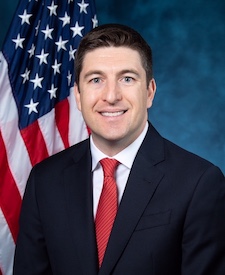
School-Based Allergies and Asthma Management Program Act
This bill establishes preferences for grants under the children's asthma treatment program for states that require schools to establish allergy and asthma management programs that include individual action plans for students diagnosed with allergies or asthma.
To amend title XI of the Social Security Act to create a model relating to Medicare payment for emergency medical services
Directs the Medicare Payment Advisory Commission to study and report on Medicare payment for emergency medical services, specifically including treatments involving epinephrine and albuterol administered by EMS.

While we strive for accuracy, information may change over time. Always double-check and verify against official sources before relying on it.